

GHC STORE
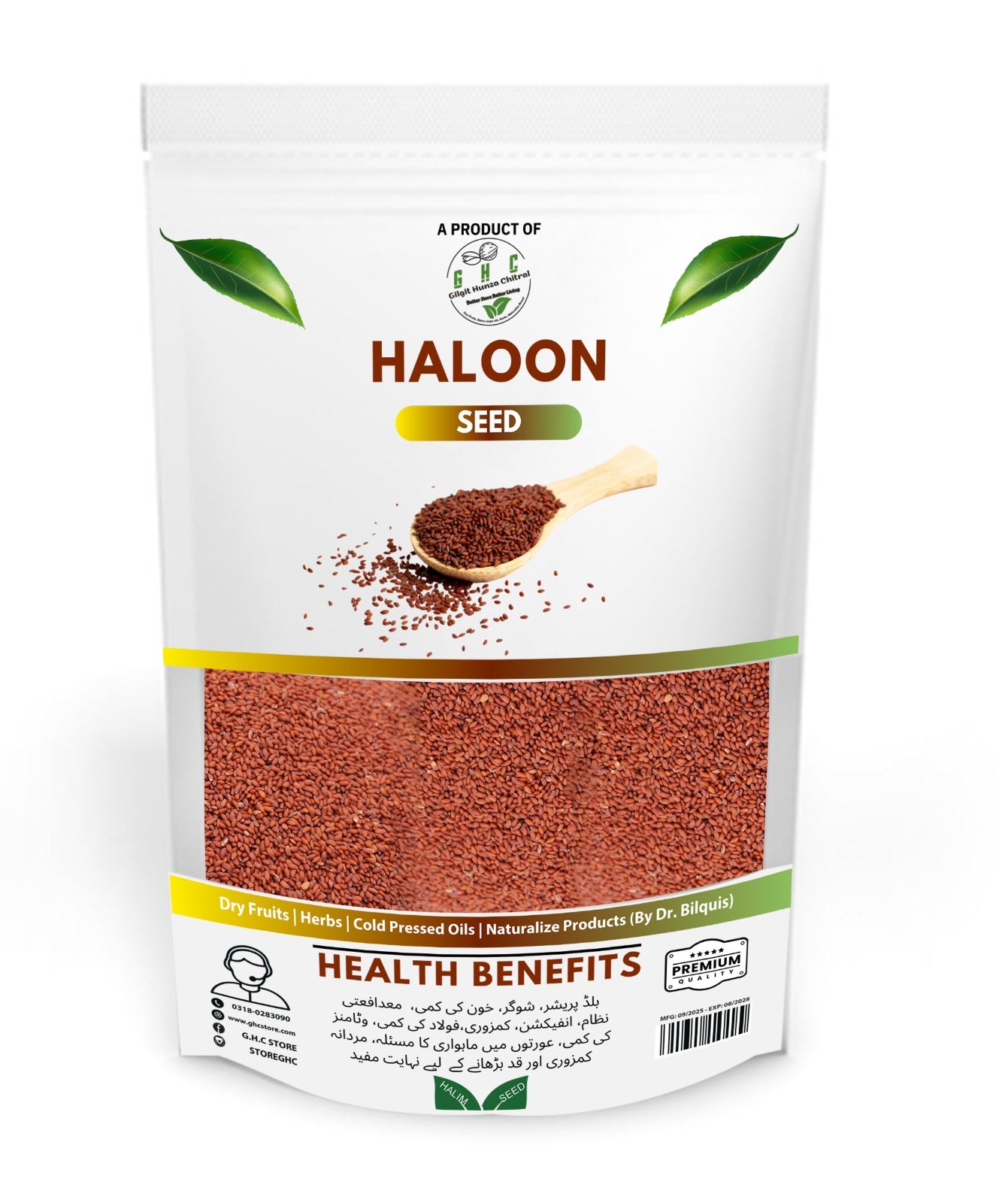
Garden Cress Seed / Halim / Haloon Seeds 100gm
Garden Cress Seed / Halim / Haloon Seeds 100gm
Couldn't load pickup availability
What Is Halim
Halim, scientifically known as Lepidium Sativum, comes from the cress plant and the seeds are tiny, reddish brown, almost looking like a cross between mustard seeds and something even smaller. They have a slightly peppery and mildly bitter taste when raw, which is why they are rarely eaten dry on their own. Most traditional preparations involve cooking or soaking them first.
These seeds have been part of South Asian and Middle Eastern food culture for a long time, often turned into a thick pudding like dish during winter months or mixed into other recipes meant to build strength and energy.
What It Is Used For
The biggest traditional use of Halim seeds is energy and strength, particularly for people who feel weak or run down. They are also strongly associated with supporting breastfeeding mothers, with many cultures recommending it specifically to help with lactation, something that has stuck around as common advice passed from one generation of women to the next.
Beyond that, Halim seeds have a reputation for supporting hair growth, mostly because they are naturally rich in iron and other nutrients that hair follicles tend to need. They are also commonly used for general weakness, low iron levels and even joint discomfort in some traditional remedies.
Here is a quick look at what people commonly use Halim seeds for:
-
Supporting energy and overall strength
-
Helping breastfeeding mothers with lactation
-
Supporting hair growth and reducing hair fall
-
Helping with iron deficiency and anemia
-
Supporting joint comfort
-
Helping with digestion
-
Supporting immunity, especially during winter
-
Helping with cold and cough symptoms
Who Should Use Halim Seeds
Women, especially breastfeeding mothers, are probably the most common users of Halim seeds, but that does not mean men cannot benefit from them too. Anyone dealing with low energy, weak hair or general weakness can add this into their routine. Older adults sometimes use it for joint support as well, given its long history in traditional remedies for that purpose.
If you are pregnant, it is worth being a little careful here since some traditional sources suggest avoiding Halim seeds during pregnancy itself, while recommending it more for after delivery during breastfeeding. Checking with a doctor before use during pregnancy is a sensible step.
How to Use Halim Seeds
The most traditional way to prepare Halim seeds is by cooking them into a thick pudding using milk and a sweetener like jaggery or sugar, often with nuts added in. This dish, sometimes just called Halim or a similar regional name, is especially popular during winter months as a warming, energy boosting food.
Another simple method is soaking a small spoon of seeds in water or milk overnight, letting them swell up, and then consuming them the next morning, sometimes mixed with a bit of honey to balance the taste.
Some people also add the soaked seeds directly into smoothies or yogurt for an easier way to include them daily without the longer cooking process.
How Much and How Often
A small spoon, roughly one to two teaspoons of seeds, is a reasonable starting amount, especially if eaten soaked or cooked into a dish. Daily use during winter months tends to be the most common pattern, though some people use it through the year, just in smaller amounts.
For breastfeeding mothers, this is often recommended a few times a week as part of a broader diet rather than something taken alone in isolation, so it works best alongside other nourishing foods rather than as a standalone fix.
Storage Tips
Keep the seeds in an airtight container in a cool dry place, away from direct sunlight and moisture. Dry seeds like this generally last a long time if stored properly, but any dampness getting into the container can cause them to clump or spoil faster than expected.
Spotting Good Quality Halim Seeds
Good quality Halim seeds should look uniform in size, reddish brown, with no visible dust, debris or discoloration. They should not have a musty smell, which would suggest old or improperly stored stock. If you soak a few and they do not swell up properly after several hours, that could be a sign of lower quality or older seeds.
GHC Store sources Halim seeds in their pure raw form without any mixing or processing beyond cleaning and packaging. What you get in the 100gm pack is exactly the natural seed, ready for you to prepare however suits your routine best.
A Bit of Honest Talk
I think a lot of people underestimate these tiny seeds just because of their size, but that is honestly part of the charm with a lot of traditional remedies. Something this small carrying this much nutritional weight feels almost unbelievable until you actually try using it consistently for a few weeks.
This is not an overnight fix though. Hair growth and energy improvements from something like this build up gradually with regular use, not from one bowl of Halim pudding eaten once in winter and forgotten about for the rest of the year.
That is pretty much it I guess. Halim seeds have earned their place in traditional kitchens honestly, passed down mostly through mothers and grandmothers who knew exactly what these tiny seeds could do long before anyone needed research to prove it. It always turns out a bit different depending on how it is prepared, but that warm nourishing feeling tends to stay consistent across most households that have grown up with it.
Share