

GHC STORE
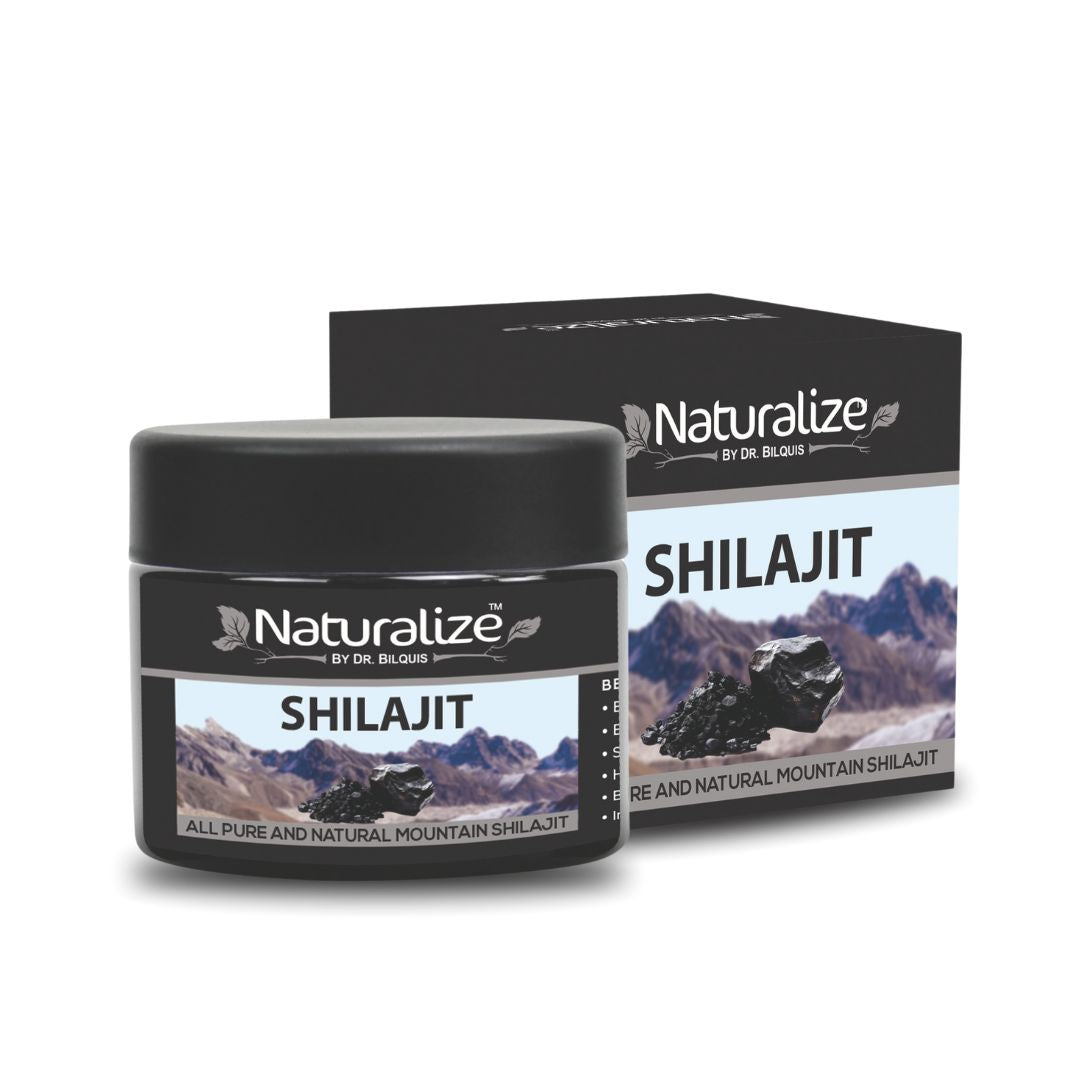
Shilajit / Sajajeet 5gm to 50gm
Shilajit / Sajajeet 5gm to 50gm
Couldn't load pickup availability
What Is Shilajit
Shilajit is a sticky tar like substance that forms naturally in the rocks of high altitude mountain ranges, mostly found in the Himalayas. It develops over centuries from the slow decomposition of plant matter trapped between rock layers, combined with mineral rich seepage from the mountains themselves. Once collected, it goes through a purification process to remove impurities before it becomes the dark resin people actually use.
The texture is thick and somewhat sticky, almost like a dense honey but darker, and the smell is strong, earthy, sometimes described as smelling a bit like tar or asphalt, which honestly throws some people off the first time they try it. The taste is bitter too, no sugar coating that part. But people who have used it for a while say you get used to it pretty quickly once you understand what it is actually doing for your body.
What It Is Used For
The biggest reason Shilajit has stayed relevant for so long is energy and stamina. It is rich in a compound called fulvic acid along with a wide range of minerals, and together these are believed to support the body at a cellular level, helping with everything from physical endurance to general vitality.
A lot of men specifically use Shilajit for stamina and performance related concerns, and it has a long history tied to that in traditional medicine. Women use it too, mainly for general strength, energy and hormonal support, especially during demanding life stages.
Here is a look at what people commonly use Shilajit for:
-
Supporting stamina and physical endurance
-
Boosting energy levels throughout the day
-
Supporting muscle strength and recovery
-
Helping with general weakness and fatigue
-
Supporting joint and bone health
-
Helping with memory and brain function
-
Supporting immunity
-
Helping manage blood sugar in some cases
-
Supporting heart health
-
Helping with anti aging at a cellular level
Who Should Use Shilajit
Both men and women use Shilajit, though it does carry a stronger reputation among men due to its traditional link with stamina and performance support. Older adults often turn to it to maintain strength and energy as the body naturally slows down with age. Younger adults with active or physically demanding lifestyles use it too, mostly for recovery and sustained energy.
If you are pregnant, breastfeeding, or managing a chronic health condition, checking with a doctor before starting Shilajit is genuinely a good idea, since it is quite potent compared to milder herbs.
How to Use Shilajit
A small pea sized amount, roughly the size of a grain of rice to a small lentil, is the typical dose. This usually gets dissolved in warm water or warm milk since the resin needs a bit of warmth to break down properly. Stir it well until it fully dissolves before drinking.
Morning time on an empty stomach tends to work best for most people, since this is when the body absorbs nutrients most efficiently. Some people prefer taking it before workouts for an extra boost in physical performance, while others stick to a steady morning routine regardless of activity level that day.
How Much and How Often
Start with the smallest amount possible, something like a quarter of a pea sized piece, just to see how your body reacts. Shilajit is potent, so going overboard right away is not a great idea. After a few days, if things feel fine, you can move up to the standard pea sized dose once daily.
Most people take it once a day, though some split it into a smaller morning dose and an even smaller evening dose. Either way works, depending on what suits your schedule and how your body responds.
Storage Tips
Shilajit needs to be kept in an airtight container, ideally a glass jar, away from heat and direct sunlight. Because of its sticky resin texture, it can soften further in warm temperatures, so a cool dry spot works best for storage. Always use a clean dry tool, like a small spoon or toothpick, to scoop it out since contamination from moisture or dirty hands can affect its quality over time.
Spotting Good Quality Shilajit
Genuine Shilajit should be dark brown to black in color with a sticky, slightly resinous texture, not crumbly or dry like a rock. When you take a small piece and warm it slightly between your fingers, it should soften and become pliable. If it stays hard and does not soften at all, or if it smells artificially sweet rather than earthy, it is likely not pure.
GHC Store sources Himalayan Shilajit that goes through proper purification to remove heavy metals and impurities while keeping the natural mineral content intact. What you get in the 50gm pack is the pure resin, nothing diluted or mixed with fillers to bulk it up.
A Bit of Honest Talk
I think Shilajit gets oversold sometimes as some kind of instant cure all, and that really setsthe wrong expectation. It works gradually, supporting the body over weeks of consistent use rather than delivering some dramatic change after one dose. The smell and taste also take some getting used to, so do not be discouraged if your first reaction is not exactly love at first try.
Some people use it daily for a few months and then take a short break before starting again. Others keep it as a year round daily habit. Both approaches seem to work depending on personal preference and how your body responds over time.
That is pretty much it I guess. Shilajit has survived centuries of use across mountain communities for a reason, and even with everything modern medicine offers now, this thick dark resin still holds its place for people looking for natural support with energy and stamina. It always turns out a bit different from person to person, but the core reputation it carries has stayed remarkably consistent across generations.
Share